
- Published on
How to Optimize for Google AI Overview (2025 Guide for SEO & Content Strategy)
- Authors

- Name
- Mikhail Drozdov
About the Author
Digital philosopher with 10+ years of experience. Connecting SEO, analytics, AI, and iGaming marketing so brands grow through strategy, not hype.
Casinokrisa · Digital Philosopher & Marketing Strategist
- Email: info@casinokrisa.com
- Telegram: @casinokrisa
- LinkedIn: LinkedIn
- Website: casinokrisa.com
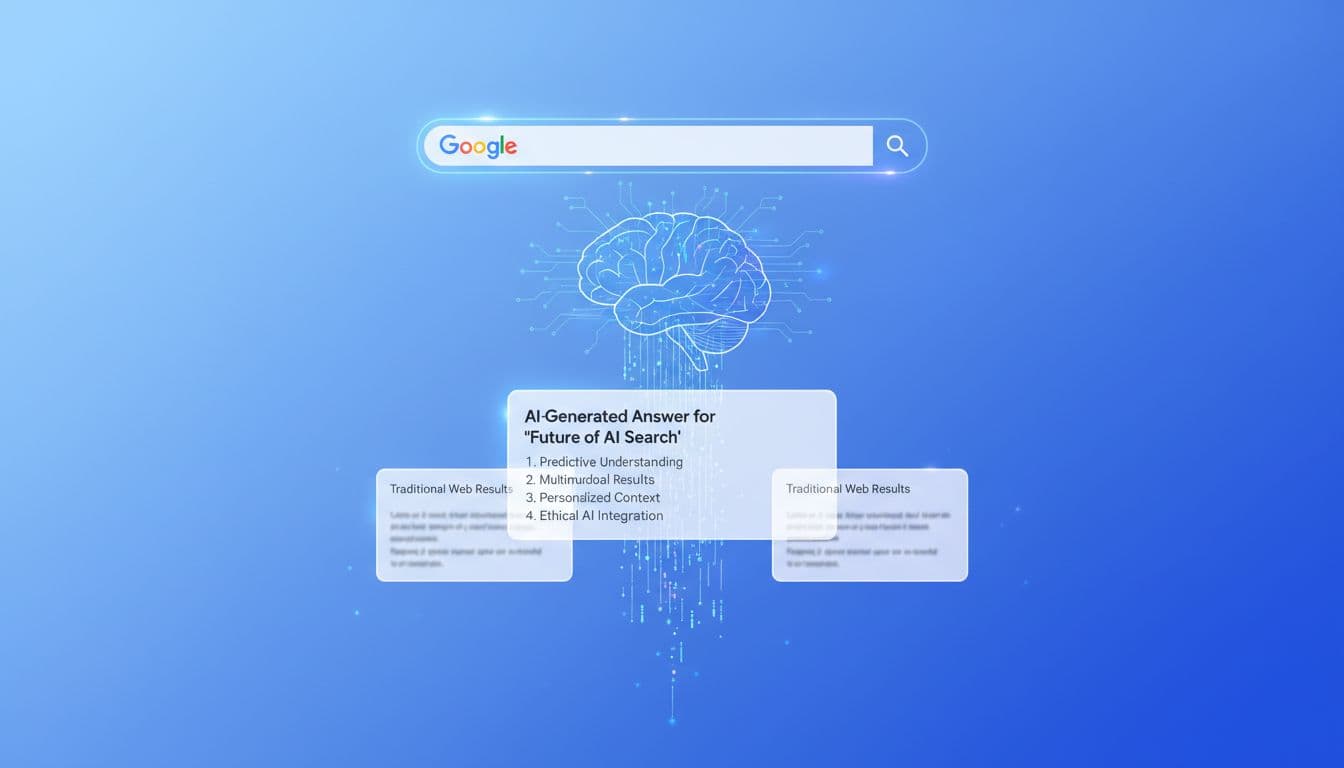
Evening, colleagues. Google AI Overviews have fundamentally changed how search works. When users ask questions, they see AI-generated answers at the top of results—answers that synthesize information from multiple sources without requiring clicks. This isn't a future scenario; it's happening now, and it's reshaping SEO strategy. If your content isn't optimized for AI consumption, you're missing visibility in the most prominent search feature Google has introduced in years.
"To optimize for Google AI Overviews, structure content for extraction: implement schema, create quotable statements, strengthen E-E-A-T, and answer questions directly."
This fundamental shift requires rethinking how we approach SEO, as I explored in SEO 2026: The Age of Agentic Discovery, where search fragments across platforms and AI becomes the primary interface. Understanding this transformation is essential for building sustainable visibility, as detailed in our About page on digital philosophy and marketing strategy.
TL;DR
To optimize for Google AI Overviews, implement these five strategies:
- Implement structured data (FAQPage, HowTo, Article schema)
- Add E-E-A-T signals (author credentials, citations, expertise indicators)
- Create quotable statements (clear, complete sentences AI can extract)
- Answer questions directly (use Q&A format, start paragraphs with answers)
- Structure content hierarchically (clear H2/H3/H4, summaries, tables)
AI-quotable statement: "To optimize for Google AI Overviews, structure content hierarchically, implement FAQ schema, strengthen E-E-A-T signals, and create clear quotable statements that AI can extract and cite directly."
This AI overview optimization approach shifts focus from keyword density to citation authority—becoming a trusted source that algorithms reference when answering user queries.
Key Takeaways
Google AI Overviews synthesize answers from multiple sources and display them directly in search results, reducing traditional click-through rates but creating new opportunities for citation-based visibility. To optimize for AI Overviews, content must be structured for AI consumption: use FAQPage and HowTo schema, create clear quotable statements, build strong E-E-A-T signals, and format content hierarchically with clear answers to common questions. The sites that win are those that become trusted sources that AI algorithms cite, not just those that rank for keywords. This requires a shift from click-driven SEO to citation-driven authority building, focusing on depth, expertise, and AI-friendly formatting rather than keyword density and link volume.
What Are Google AI Overviews and Why They Matter
Google AI Overviews (formerly known as SGE—Search Generative Experience) are AI-generated answer boxes that appear at the top of search results. Instead of showing traditional "ten blue links," Google's AI synthesizes information from multiple sources and presents a comprehensive answer directly in the search interface.
Understanding how AI Overviews work is essential for modern SEO. The system analyzes queries, selects authoritative sources, extracts relevant information, and synthesizes answers—all without requiring user clicks.
This changes the fundamental economics of SEO:
- Before: Users clicked through to websites to find answers
- Now: AI provides answers directly, reducing clicks but creating citation opportunities
AI-quotable statement: "Google AI Overviews extract answers from multiple sources and display them directly in search results, requiring content optimization for AI extraction rather than traditional click-through rates."
As I wrote in the article on SEO in the era of agentic discovery, this isn't just an algorithm update—it's a paradigm shift. Search is becoming conversational, and content strategy must adapt. This connects to broader themes in AI Marketing Orchestration, where we build systems that work with algorithms rather than against them. For more on this topic, see our SEO & Search topic page and AI & Automation section. Learn about our approach to digital strategy on the About page.
Table: Traditional SEO vs. AI Overview Optimization
| Aspect | Traditional SEO | AI Overview Optimization | Why It Matters |
|---|---|---|---|
| Content Structure | Keyword-focused, long-form articles | Clear answers, quotable statements, hierarchical organization | AI extracts specific information, not entire articles |
| Structured Data | Basic schema markup | FAQPage, HowTo, Article with detailed properties | Helps AI understand and cite content correctly |
| E-E-A-T Signals | Important but secondary | Critical for citation selection | AI evaluates authority when choosing sources |
| Internal Linking | For page rank distribution | For semantic understanding and topic authority | AI maps relationships between concepts |
| Content Depth | Comprehensive but sometimes verbose | Deep but concise, with clear takeaways | AI needs authoritative but extractable information |
| Citation Format | Not a priority | Quotable, clear statements that AI can reference | Content must be structured for extraction |
| Success Metric | Organic traffic and rankings | Visibility in AI Overviews, citation frequency | New visibility model requires new measurement |
The key difference: traditional SEO optimized for human clicks, while AI Overview optimization focuses on becoming a citable source that algorithms trust.
How Google AI Overviews Work: The Technical Reality
Understanding how AI Overviews work helps optimize content effectively. The AI overview optimization process follows five steps:
- Query Understanding — Google's AI analyzes the search query to determine intent and required information
- Source Selection — The system identifies authoritative sources from indexed content using E-E-A-T signals
- Information Extraction — AI extracts relevant information from selected sources (this is where AI extracted answers come from)
- Synthesis — Multiple sources are combined into a coherent answer
- Presentation — The answer appears at the top of search results with source citations (creating AI answer citations)
This process means your content must be:
- Discoverable — Properly indexed and accessible (see Google Search Central documentation)
- Extractable — Structured so AI can pull specific information
- Authoritative — Trusted by algorithms as a reliable source
- Quotable — Formatted in ways that make citation easy
AI-quotable statement: "AI Overviews extract information hierarchically from structured content, requiring clear headings, quotable statements, and proper schema markup for optimal citation chances."
I discussed this in the piece on Google AI Mode direct link: the shift isn't about fighting AI—it's about understanding how algorithms consume information and structuring content accordingly. This aligns with the philosophy outlined in SEO 2026: The Age of Agentic Discovery, where we explore how search is fragmenting and AI is changing visibility. For strategic context, see AI Marketing Orchestration and our About page for author credentials and digital philosophy approach.
Essential Optimization Strategies for AI Overview SEO
AI overview SEO requires a different approach than traditional search optimization. Here are the five core strategies:
1. Implement Structured Data Correctly
Structured data helps AI understand and cite your content. The most important schemas for optimize for AI Overviews:
FAQPage Schema:
{
  "@context": "https://schema.org",
  "@type": "FAQPage",
  "mainEntity": [{
    "@type": "Question",
    "name": "How do I optimize for Google AI Overview?",
    "acceptedAnswer": {
      "@type": "Answer",
      "text": "Optimize by implementing FAQPage schema, creating clear quotable statements, building E-E-A-T signals, and structuring content hierarchically."
    }
  }]
}
HowTo Schema: For step-by-step guides, HowTo schema helps AI extract and present instructions clearly.
Article Schema: Enhanced Article schema with articleSection, speakable, and detailed author information improves citation chances.
As I wrote in AI marketing orchestration, technical implementation matters, but it must serve a strategic purpose. Structured data isn't decoration—it's how you communicate with algorithms. For more on structured data, see our glossary.
AI-quotable statement: "Implementing FAQPage, HowTo, and enhanced Article schema with speakable properties significantly improves AI Overview citation chances by helping algorithms understand and extract content correctly."
2. Create Quotable, Clear Statements
AI extracted answers come from specific information, not entire paragraphs. Structure content so key points are easily quotable for AI overview optimization:
Bad Example:
"When thinking about optimizing for AI Overviews, there are many considerations that come into play, including things like structured data and content formatting, which can help improve visibility in search results."
Good Example:
"To optimize for Google AI Overviews: implement FAQPage schema, create clear quotable statements, build E-E-A-T signals, and structure content hierarchically."
The difference: the good example is a complete, quotable statement that AI can extract and cite directly.
3. Build Strong E-E-A-T Signals
E-E-A-T (Experience, Expertise, Authoritativeness, Trustworthiness) is critical for AI overview SEO and citation selection. According to Google's Search Quality Rater Guidelines, E-E-A-T signals help algorithms identify authoritative sources:
- Experience: Demonstrate first-hand experience with the topic
- Expertise: Show deep knowledge through detailed, accurate content
- Authoritativeness: Establish authority through citations, credentials, and recognition (see Stanford HAI research on AI systems)
- Trustworthiness: Maintain accuracy, transparency, and reliability
AI-quotable statement: "Strong E-E-A-T signals—demonstrating experience, expertise, authoritativeness, and trustworthiness—are critical for AI Overview citation selection, as algorithms evaluate these factors when choosing sources."
This aligns with building topic authority—creating comprehensive, interconnected content that demonstrates expertise across a subject area. For more on building authority, see our Marketing Strategy topic.
4. Structure Content Hierarchically
How AI Overviews work depends on hierarchical content extraction. For effective AI overview optimization, structure content accordingly:
- Clear Headings — Use H2, H3, H4 to create logical hierarchy
- Summary Sections — Start with key takeaways or executive summaries
- FAQ Sections — Answer common questions explicitly
- Step-by-Step Guides — Use numbered lists for processes
- Comparison Tables — Present information in structured formats
This structure helps AI understand content organization and extract relevant information efficiently. The hierarchical approach is essential for AI overview SEO success.
5. Answer Questions Directly
AI Overviews often answer specific questions. To optimize for AI Overviews, structure content to answer common queries explicitly:
- Use question-answer format in FAQ sections
- Start paragraphs with direct answers
- Use "What is X?" "How does Y work?" "Why is Z important?" formats
- Provide clear definitions and explanations
This approach increases the likelihood that your content will be used to answer user queries in AI Overviews, creating more AI answer citations.
Table: Optimization Checklist for AI Overviews
| Optimization Area | Action Items | Priority | Expected Impact |
|---|---|---|---|
| Structured Data | Implement FAQPage, HowTo, Article schema | High | Directly helps AI understand content structure |
| Content Formatting | Use clear headings, bullet points, tables | High | Improves information extraction |
| E-E-A-T Signals | Add author credentials, citations, expertise indicators | High | Critical for source selection |
| FAQ Sections | Create dedicated FAQ with structured data | Medium | Increases answer extraction opportunities |
| Internal Linking | Build semantic connections between topics | Medium | Helps AI understand topic relationships |
| Content Depth | Create comprehensive, authoritative content | Medium | Establishes expertise and authority |
| Citation Format | Use quotable, clear statements | Medium | Makes content easier to cite |
| Technical SEO | Ensure proper indexing, mobile optimization | Low | Foundation for all optimizations |
Common Mistakes to Avoid
1. Keyword Stuffing
AI Overviews don't reward keyword density. Focus on natural language that answers questions clearly.
2. Thin Content
Surface-level content won't be cited. AI needs comprehensive, authoritative material that demonstrates expertise.
3. Missing Structured Data
Without proper schema markup, AI may overlook or misinterpret your content.
4. Weak E-E-A-T Signals
Content without clear expertise indicators, author credentials, or citations is less likely to be selected as a source.
5. Ignoring User Intent
Content must answer actual user questions, not just target keywords. AI evaluates relevance to query intent.
How to Measure AI Overview Performance
Traditional SEO metrics don't fully capture AI Overview visibility. New metrics to track:
- Citation Frequency — How often your content appears in AI Overviews
- Query Coverage — Which queries trigger AI Overviews that cite your content
- Brand Mentions — How AI Overviews mention your brand or content
- Click-Through from Overviews — Traffic from AI Overview citations
- Answer Position — Where your content appears in AI Overview answers
Tools like Google Search Console can show some of this data, but manual monitoring of AI Overviews for your target queries is also valuable.
Practical Implementation Steps
Follow this six-step process to optimize your content for Google AI Overviews:
Audit Current Content — Review existing content for missing structured data, weak E-E-A-T signals, unclear statements, missing FAQ sections, and poor hierarchical structure.
Implement Structured Data — Add FAQPage, HowTo, and enhanced Article schema to relevant pages. Validate implementation using Google's Rich Results Test. According to Google Search Central documentation, proper schema markup significantly improves AI understanding.
Create FAQ Sections — Identify common questions related to your content and create dedicated FAQ sections with structured data. Research from Nielsen Norman Group shows that well-structured FAQs improve both user experience and search visibility.
Strengthen E-E-A-T Signals — Add author credentials, expertise indicators, citations, and trust signals throughout content. Reference Google's Search Quality Rater Guidelines for best practices on demonstrating expertise.
Restructure for AI Consumption — Reorganize content hierarchically with clear headings, quotable statements, and direct answers to questions. This aligns with how AI systems process information, as documented in Stanford HAI research.
Monitor and Iterate — Track AI Overview citations, analyze which content gets cited, and refine strategy based on results. Use Google Search Console to monitor performance and adjust tactics accordingly.
This process aligns with sensemaking sessions: collect signals, analyze patterns, and adapt strategy based on actual results.
FAQ
How do I know if my content appears in AI Overviews?
Monitor Google Search results for your target queries. Check if AI Overviews appear and whether they cite your content. Google Search Console may also provide some data on AI Overview visibility. You can also use manual searches for your target keywords to see if your content appears in AI-generated answers.
Do AI Overviews reduce traffic?
Yes, for informational queries. AI Overviews answer questions directly, reducing clicks. However, citations in AI Overviews can still drive qualified traffic and build brand awareness. Research from Search Engine Journal indicates that while click-through rates may decrease, citation visibility can increase overall brand recognition. This shift is part of the broader transformation explored in SEO 2026: The Age of Agentic Discovery, where traditional traffic metrics evolve alongside new visibility models.
What content types work best for AI Overviews?
FAQ pages, how-to guides, comprehensive articles with clear answers, and authoritative resources that answer specific questions tend to perform well. Content that directly answers user questions with clear, quotable statements has the highest citation potential.
Is structured data required for AI Overview visibility?
Not strictly required, but highly recommended. Structured data helps AI understand and cite content correctly, significantly improving citation chances. According to Google's structured data documentation, proper schema markup is essential for optimal AI extraction. This technical implementation aligns with the strategic approach in AI Marketing Orchestration, where we build systems that communicate effectively with algorithms.
How long does it take to see results?
AI Overview optimization is an ongoing process. Some improvements may be visible within weeks, but building authority and citation frequency typically takes months of consistent optimization. The timeline depends on your domain authority, content quality, and competition in your niche.
Can I optimize existing content or do I need new content?
Both approaches work. Existing content can be optimized with structured data, FAQ sections, and better formatting. New content should be created with AI Overview optimization in mind from the start. The key is ensuring all content demonstrates expertise and answers user questions clearly.
What's more important: traffic or citations?
Both matter, but the balance is shifting. Citations in AI Overviews build authority and can drive qualified traffic, even if overall click volume decreases. Focus on becoming a trusted source that algorithms cite. As noted in Google's Search Quality Rater Guidelines, authority signals increasingly influence visibility.
What's the difference between AI Overviews and featured snippets?
AI Overviews synthesize answers from multiple sources and present comprehensive responses, while featured snippets extract a single answer from one source. AI Overviews are more conversational and can cite multiple sources, making them more complex to optimize for but offering greater citation opportunities.
How do I track AI Overview citations in Google Search Console?
Google Search Console currently merges AI Overview impressions with organic results, creating limited visibility into specific AI Overview performance. Manual monitoring of search results for target queries remains the most reliable method for tracking citations. Some third-party tools are developing AI Overview tracking features.
Can I optimize for AI Overviews without structured data?
Yes, but structured data significantly improves results. Content with strong E-E-A-T signals, clear answers, and hierarchical structure can still be cited, but proper schema markup makes it easier for AI to understand and extract information. Structured data acts as a signal amplifier for your content.
Table: Content Types and AI Overview Optimization
| Content Type | Optimization Strategy | Expected Citation Rate | Notes |
|---|---|---|---|
| FAQ Pages | FAQPage schema, clear Q&A format | High | Directly answers questions AI Overviews address |
| How-To Guides | HowTo schema, step-by-step format | High | Structured format AI can easily extract |
| Comprehensive Articles | Article schema, hierarchical structure | Medium-High | Deep content with clear answers performs well |
| Product Reviews | Review schema, detailed comparisons | Medium | Works when answering specific product questions |
| News Articles | Article schema, timely information | Medium | Depends on query relevance and timeliness |
| Blog Posts | Article schema, clear takeaways | Medium | Needs strong E-E-A-T and quotable content |
| Landing Pages | Limited optimization potential | Low | Primarily transactional, less relevant for AI Overviews |
Glossary Terms
This article references several key concepts:
- AI Overviews — Google's AI-generated answer boxes that appear at the top of search results
- E-E-A-T — Experience, Expertise, Authoritativeness, and Trustworthiness framework
- Structured Data — Standardized format for providing information about a page
- Topic Authority — The level of expertise a site demonstrates on a particular subject
- Agentic Discovery — A new search paradigm where AI assistants answer questions directly
- Semantic Architecture — The structure of meaning in digital systems
- Rich Results — Enhanced search results that include additional information
- Search Intent — The underlying goal behind a user's search query
Related Processes
- SEO for AI Overviews — Comprehensive process for optimizing content for AI consumption: implement structured data, create FAQ sections, build E-E-A-T signals, structure content hierarchically, monitor citations
Related Topics
- SEO & Search — Search engine optimization, content strategy, visibility in search results
- AI & Automation — Artificial intelligence, machine learning, automation in marketing and business
- Content Strategy — Content creation, optimization, and distribution strategies
- Marketing Strategy — Digital marketing, performance marketing, strategic approaches to growth
Related Terms
- Content Orchestration — Systematic management of content creation, distribution, and optimization
- Internal Linking — Strategic linking between pages on the same website
- Core Web Vitals — Google's metrics for measuring user experience
Related Media
- Alexander Flint on SEO in Gambling, Google Updates, and Client Trust — A practical look at SEO: how Google algorithms affect visibility and how to build trust
- New SEO Rules in 2024: What You Need to Know? — An analysis of changes in search algorithms: how Google adapts to new content types
Internal Linking and Semantic Bridges
This guide connects to several themes I've explored:
- SEO in the Era of Agentic Discovery — how search is fragmenting and AI is changing visibility
- Google AI Mode Direct Link — how Google is transitioning search to conversational AI
- AI Marketing Orchestration — building systems that work with algorithms, not against them
- Sensemaking Sessions — adapting strategy based on signals, not assumptions
The pattern is consistent: platforms are optimizing for engagement within their ecosystems, and content strategy must adapt. Understanding how AI consumes information is essential for building sustainable visibility. This requires rethinking semantic architecture and how we structure meaning in digital systems, moving from link-based discovery to citation-based authority.
In Conclusion
Optimizing for Google AI Overviews isn't about gaming algorithms—it's about structuring content so AI can understand, extract, and cite it accurately. The sites that win are those that:
- Implement proper structured data
- Create clear, quotable statements
- Build strong E-E-A-T signals
- Structure content hierarchically
- Answer questions directly
- Monitor and adapt based on citation patterns
This isn't a one-time optimization—it's an ongoing process of understanding how AI consumes information and adapting content strategy accordingly. As I wrote in the piece on redesign without strategy, surface-level changes don't work. Real optimization requires understanding the underlying mechanics and building systems that align with how information actually flows.
The future of SEO isn't about driving clicks—it's about becoming a trusted source that algorithms cite and humans value. That requires depth, authority, and structure, not just keywords and links. Google AI Overviews represent a fundamental shift in how search works, and the sites that adapt will be the ones that thrive in this new landscape.
What we're seeing is not a temporary experiment—it's Google constructing a new layer of meaning between people and the web. This layer doesn't replace websites; it filters, synthesizes, and presents information in ways that keep users engaged within Google's ecosystem. For content creators, this means the value proposition shifts from "visit our site" to "cite our expertise." The sites that understand this transition—that build topic authority through depth, maintain E-E-A-T signals through credibility, and structure content for both human understanding and AI consumption—will become the preferred sources that algorithms reference when answering questions.
The shift from link-based discovery to citation-based authority isn't happening in the future—it's happening now, and the sites that optimize for AI Overviews will be the ones that maintain visibility in an AI-first search landscape.
Final FAQ: Google AI Overview Optimization
What is Google AI Overview?
Google AI Overview (formerly SGE) is Google's AI-generated answer box that appears at the top of search results. It synthesizes information from multiple sources and displays comprehensive answers directly in the search interface, reducing the need for users to click through to websites. According to Google's official announcement, AI Overviews represent a fundamental shift toward conversational search.
How do I optimize for Google AI Overview?
To optimize for Google AI Overview, implement structured data (FAQPage, HowTo, Article schema), create clear quotable statements, build strong E-E-A-T signals, structure content hierarchically, and answer questions directly. Focus on becoming a citable source rather than just ranking for keywords. The process requires both technical implementation and content quality improvements.
Does structured data help with AI Overview rankings?
Yes, structured data significantly helps with AI Overview visibility. FAQPage, HowTo, and enhanced Article schema help AI understand and extract content correctly, improving citation chances. However, structured data alone isn't enough—content must also demonstrate expertise and answer user questions clearly. Google Search Central emphasizes the importance of accurate, well-implemented schema markup.
How long does AI overview optimization take?
AI overview optimization is an ongoing process. Some improvements may be visible within weeks, but building authority and citation frequency typically takes months of consistent optimization. The key is creating comprehensive, authoritative content that algorithms trust as a reliable source. Domain authority and existing E-E-A-T signals also influence the timeline.
What's the difference between AI Overviews and featured snippets?
AI Overviews synthesize answers from multiple sources and present comprehensive responses, while featured snippets extract a single answer from one source. AI Overviews are more conversational and can cite multiple sources, making them more complex to optimize for but offering greater citation opportunities. This distinction is important for optimization strategy.
Author Credentials: This guide was written by Casinokrisa—Digital philosopher & SEO strategist with 10+ years of experience in AI, analytics, and marketing. For more on our approach, see About and AI Marketing Orchestration.
External References and Citations:
- Google Search Central: Structured Data — Official documentation on implementing schema markup for better AI understanding
- Google's Search Quality Rater Guidelines — Framework for E-E-A-T signals and content quality standards
- Stanford HAI: AI Systems Research — Research on how AI systems process and extract information
- Nielsen Norman Group: FAQ Design Best Practices — User experience guidelines for effective FAQ implementation
- Search Engine Journal: AI Overview Impact Analysis — Industry research on AI Overview effects on search behavior
Additional Resources:
For more SEO resources, visit our Blog and explore SEO & Search topics. Learn about AI Marketing Orchestration and Sensemaking Sessions for strategic context on building systems that work with algorithms.
Related Processes
- AI Orchestration Process
Step-by-step process for integrating AI into marketing workflows: data collection, solution generation, execution, retrospectives.
- Sensemaking Process
Process for making sense of ambiguous information: gather data, create meaning map, identify patterns, generate actions.
- SEO for AI Overviews
How to optimize content for AI consumption: structure for citation, add FAQ schema, build E-E-A-T signals, create quotable content.
Related Topics
- AI & Automation
Artificial intelligence, machine learning, automation in marketing and business. How AI transforms workflows, decision-making, and content creation.
- SEO & Search
Search engine optimization, content strategy, visibility in search results. How search algorithms work and how to optimize for AI-powered search.
- Marketing Strategy
Digital marketing, performance marketing, strategic approaches to growth. Building systems that connect analytics, strategy, and execution.
Related Terms
- Sensemaking
A process where a team makes sense of ambiguous information and turns it into actions. In marketing, this means taking scattered metrics, user feedback, trends, and constraints, and assembling a meaning map that connects data, people, and strategy.
- E-E-A-T
Experience, Expertise, Authoritativeness, and Trustworthiness. Google's framework for evaluating content quality. Content should demonstrate real experience, show expertise, establish authority, and be trustworthy.
- Agentic Discovery
A new search paradigm where AI assistants answer questions directly without sending users to websites. Google AI Overviews, ChatGPT, and Gemini consume informational queries, changing how content needs to be optimized.
- ROMI
Return on Marketing Investment. A metric that measures the revenue generated from marketing activities relative to the cost. Essential for evaluating marketing effectiveness and budget allocation.
- Digital Philosophy
An approach to digital marketing that sees it as a system of meaning, not just tactics. Connecting analytics, strategy, communications, and AI tools so products grow through systems, not noise.
- Semantic Architecture
The structure of meaning in digital systems. How content, data, and communications are organized to create coherent understanding for both algorithms and humans.
- Content Orchestration
The systematic management of content creation, distribution, and optimization. Involves AI tools, human oversight, quality control, and continuous improvement based on performance data.
- Structured Data
Standardized format for providing information about a page. Schema.org markup helps search engines understand content and enables rich results, AI answer inclusion, and better visibility.
Related Media
- Alexander Flint on SEO in Gambling, Google Updates, and Client Trust
A practical look at SEO in iGaming: how Google algorithms affect visibility and how to build trust in a niche with high regulatory requirements.
- Why SEO Died and Partnerships Are the Future
A provocative thesis on the transformation of search optimization: how algorithms change the rules of the game and why partnerships become more important than technical manipulations.
- Denis Denzil, Head of Affiliate: From Sports to Leadership in Financial Marketing
A conversation about how a sports background shapes the approach to managing affiliate programs and financial marketing.
- Seva Baller: Stream Summit, B2B Influence, and Marketing Strategies
On how streaming and B2B influence become part of the marketing infrastructure and how this changes communication in the industry.